
Key Takeaways & Executive Summary
- Energy Conservation refers to behavioral, daily operational efforts to reduce power consumption by avoiding waste.
- Energy Audit is a formal, scientific technical assessment conducted by certified auditors using specialized diagnostic tools to map load profiles and uncover invisible energy losses.
- In India, the Bureau of Energy Efficiency (BEE) mandates regular energy audits for commercial buildings and designated industrial consumers.
- Performing an energy audit before installing solar panels ensures your solar system is accurately right-sized, delivering up to 35% higher net financial ROI.
1. Introduction: The Growing Need for Energy Management
With rapidly climbing electricity tariffs and aggressive national decarbonization targets across India, property owners—from suburban homeowners to industrial plant managers—are under pressure to minimize power costs. However, a common point of confusion arises when planning energy reduction strategies: Is practicing energy conservation enough, or do you require a comprehensive energy audit?
While both concepts share the common goal of lowering utility bills and reducing carbon footprints, they function at fundamentally different levels of technical sophistication, financial investment, and regulatory compliance.
2. What is Energy Conservation?
Energy Conservation encompasses the operational habits, behavioral changes, and minor technological upgrades implemented to eliminate energy waste. It focuses primarily on using less energy through conscious daily decisions.
Common Energy Conservation Practices:
- Turning off lights, HVAC systems, and machinery when spaces are unoccupied.
- Retrofitting incandescent bulbs with high-efficiency LED fixtures.
- Optimizing air conditioner thermostat settings (e.g., maintaining 24°C to 26°C recommended by BEE).
- Unplugging standby electronic devices ("phantom loads") when not in active use.
- Maximizing natural day-lighting in residential and office spaces.
Energy conservation requires minimal financial investment and can be initiated immediately by any occupant. However, its scope is limited to visible, obvious consumption habits.
3. What is an Energy Audit?
An Energy Audit is a systematic, highly technical examination of an entire facility’s energy flows. Conducted by BEE-certified energy auditors, an audit evaluates building envelopes, electrical distribution panels, thermal insulation, HVAC performance, motor efficiencies, and power quality factors.
Core Steps of a Professional Energy Audit:
- Data Collection & Historical Analysis: Reviewing 12–36 months of utility bills to establish baseline energy consumption indices (SEC/kWh per sq. ft).
- On-Site Technical Diagnostics: Utilizing specialized instruments such as power quality analyzers, thermal imaging cameras, ultrasonic leak detectors, and lux meters.
- Load Profiling & Wastage Identification: Measuring voltage unbalance, harmonic distortion, low power factor penalties, and transformer core losses.
- Actionable Feasibility Report: Providing prioritized Energy Conservation Measures (ECMs) classified by No-Cost, Low-Cost, and High-Capital investments with precise payback period calculations.
4. Key Differences: Energy Conservation vs. Energy Audit
To evaluate which approach aligns with your facility, review the structured comparison table below:
| Parameter | Energy Conservation | Energy Audit |
|---|---|---|
| Primary Objective | Reduce immediate energy waste through behavioral and operational changes. | Map complete energy profile, detect root-cause inefficiencies, and calculate precise ROI. |
| Tools & Technology | Basic awareness, simple timers, manual switches. | Power quality analyzers, thermal imagers, flow meters, data loggers. |
| Execution | Conducted internally by occupants or building maintenance staff. | Performed by Accredited/Certified BEE Energy Auditors. |
| BEE Compliance | Voluntary best practice. | Mandatory for Designated Consumers & Commercial Star Buildings. |
| Savings Impact | 5% to 15% reduction in monthly bills. | 20% to 45% overall reduction when combined with solar PV integration. |
5. Bureau of Energy Efficiency (BEE) Regulations in India
Under the Energy Conservation Act (2001) established by the Government of India, the Bureau of Energy Efficiency (BEE) regulates energy standards across commercial sectors. Commercial facilities exceeding connected loads of 100 kW or contract demand of 120 kVA are classified as Designated Consumers and are required by law to undergo mandatory energy audits every three years.
6. Why You Need an Audit Before Installing Solar Panels
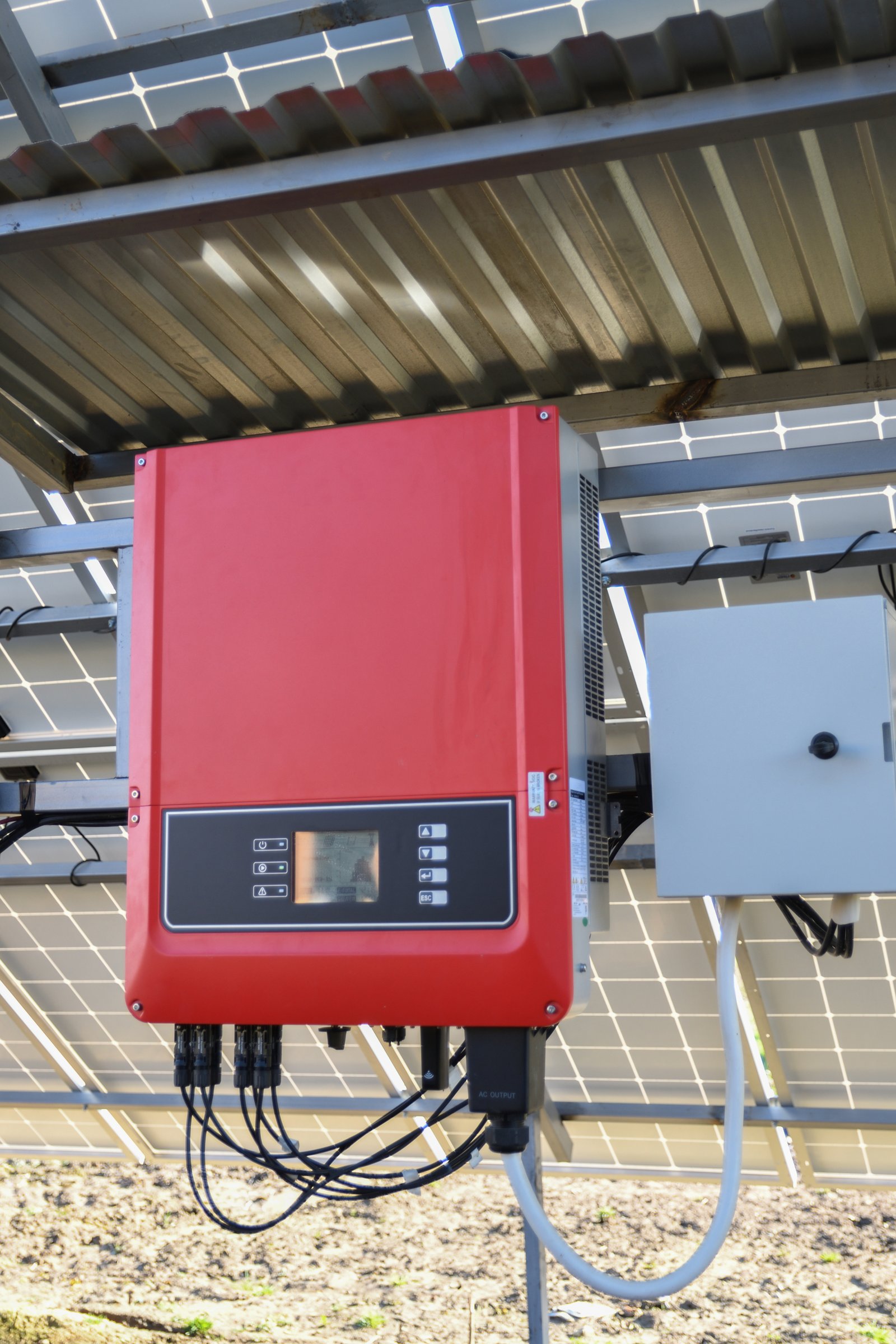
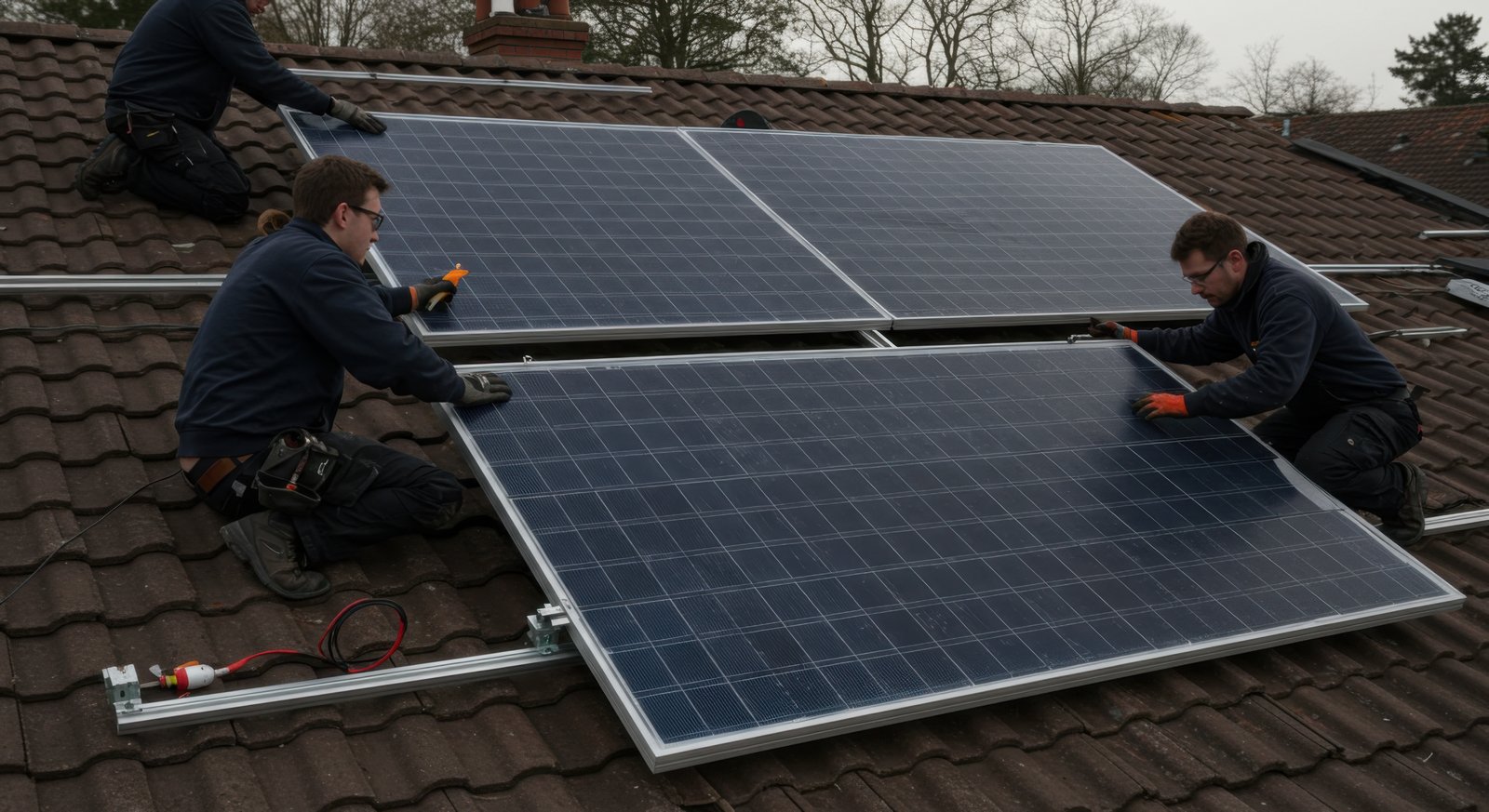
At Easy Sun Solar, we strongly advise property owners to perform an energy audit prior to finalizing their rooftop solar panel system capacity. Installing solar panels without first auditing load profiles leads to two costly mistakes:
- Over-Sizing: Sizing a solar system to cover unnecessary, wasted power leads to inflated initial capital outlay.
- Under-Sizing: Failing to address underlying power factor losses or reactive power draw reduces solar inverter efficiency.
By auditing and conserving energy first, you can install a leaner, perfectly optimized solar PV system that pays for itself significantly faster.
7. Conclusion & Action Plan
Energy conservation and energy audits are not mutually exclusive—they are complementary steps in a complete energy strategy. Start by cultivating daily energy conservation habits, then engage certified experts for an energy audit to unlock maximum financial savings with solar power integration.